Josh Slocum
Holding a crystal prism up to my left eye, I moved the glass so that the image gave me the illusion that the furniture in the room had disappeared. It was just light refraction, but I hoped it might help me slip through a wrinkle in time. I was trying to leave 1984, trying to escape to 1870.
My house in 1984 was full of screaming, thrown dishes, and beatings. A Victorian-age farm in upstate New York, or another in Walnut Grove, Minnesota, sounded like a much better place to be.
Yes, Virginia, the splotch is real. This is the part you’ve been waiting for. 'Farmer Boy' readers will remember the tensest scene in the book.
It didn’t work then, but I got where I wanted to be this week in 2026.
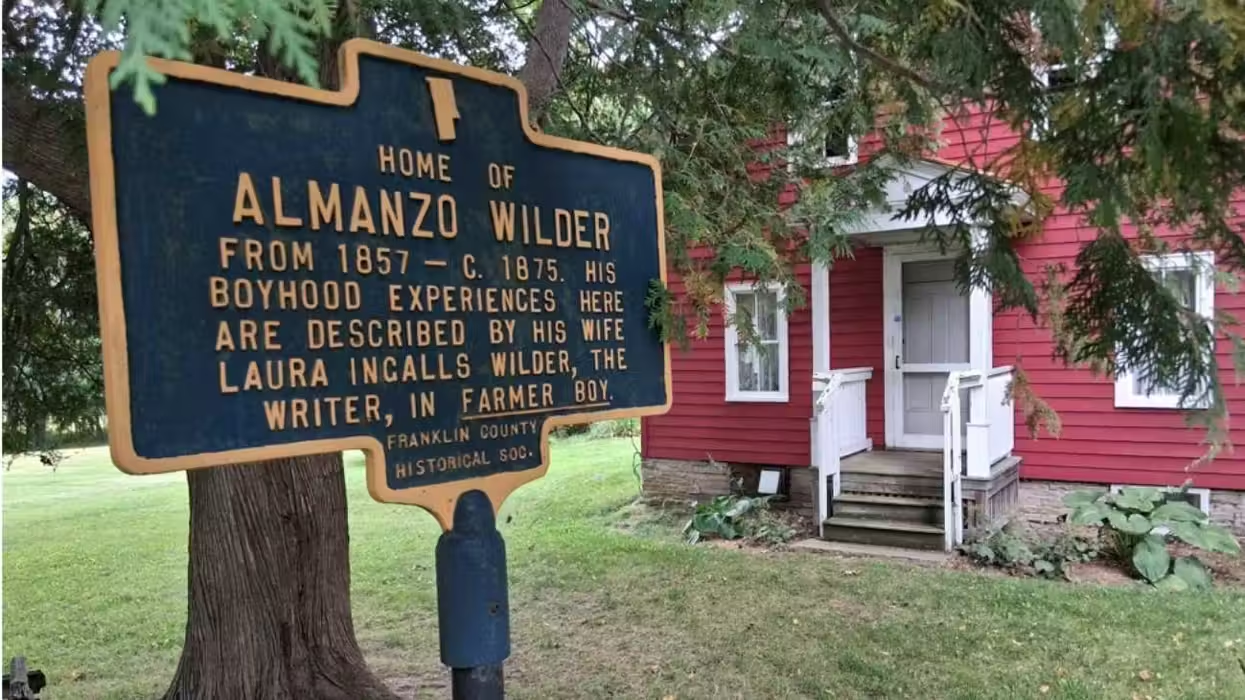
To my astonishment, there I was, standing in the very house I knew and loved from the book "Farmer Boy" by Laura Ingalls Wilder. "Farmer Boy" recounts the boyhood of Laura’s husband, Almanzo Wilder, years before they met.
Millions of children have loved the stories of family, integrity, and wholesome living made famous by Wilder’s autobiographical "Little House on the Prairie" series. If you were one of them — better yet, if you have kids reading the books now — you can visit Almanzo’s house too.
If you’re a fan of American history and good, old-fashioned beauty and craftsmanship like I am, put a trip to the Almanzo Wilder Farm in Malone, New York, on your calendar.
Standing in the Wilder home I’d known in my imagination since boyhood felt the way it did the first time I put my hands on an ancient Egyptian temple arch, or the first time I stood before a wall-sized Caravaggio, seeing it with my naked eye. It’s a sensation that mixes awe, reverence, and humility — the strange feeling of finding yourself in the physical presence of something that has lived so long in your imagination.
Before a few weeks ago, I didn’t know the house still stood. Not only does it stand, but it has been carefully restored. The long-burned-down barns have been rebuilt according to Almanzo’s hand-drawn maps that he set out for his wife, Laura, when she decided to write a book on his boyhood to include in her series.
As a child living under deranged parents, reading was my escape. The "Little House" series was my favorite. It told of strong families with children who were wanted and cherished. Ma and Pa Ingalls and Mother and Father Wilder expected a lot of their children. Idleness was not allowed; boys and girls were taught to work on the farm and in the home from a young age in between going to the schoolhouse to make sure they were literate and numerate.
And the discipline of those days was far harsher than we would allow today; it came from belts and bullwhips.
Nevertheless, these children were loved and protected. What their parents taught them through example and by working alongside them gave the children real skills and a real sense of accomplishment.
In the 2020s, children aren’t even allowed to walk outside in their neighborhood without their parents being arrested by child protective services. Wonder why Kayden can’t read and won’t go out to eat because of his “social anxiety” and “ADHD”?
It’s not a mystery.
Compare that to 10-year-old Almanzo Wilder after he spent a year training his calves to pull a wagon load and find their way home:
He helped to feed the patient cows, and the horses eagerly whinnying over the bars of their stalls, and the hungrily bleating sheep, and the grunting pigs. And he felt like saying to them all: "You can depend on me. I'm big enough to take care of you all."
"Little House" readers will want to know if they can see the places depicted in their favorite scenes from "Farmer Boy." It is my pleasure to tell you yes, you can.
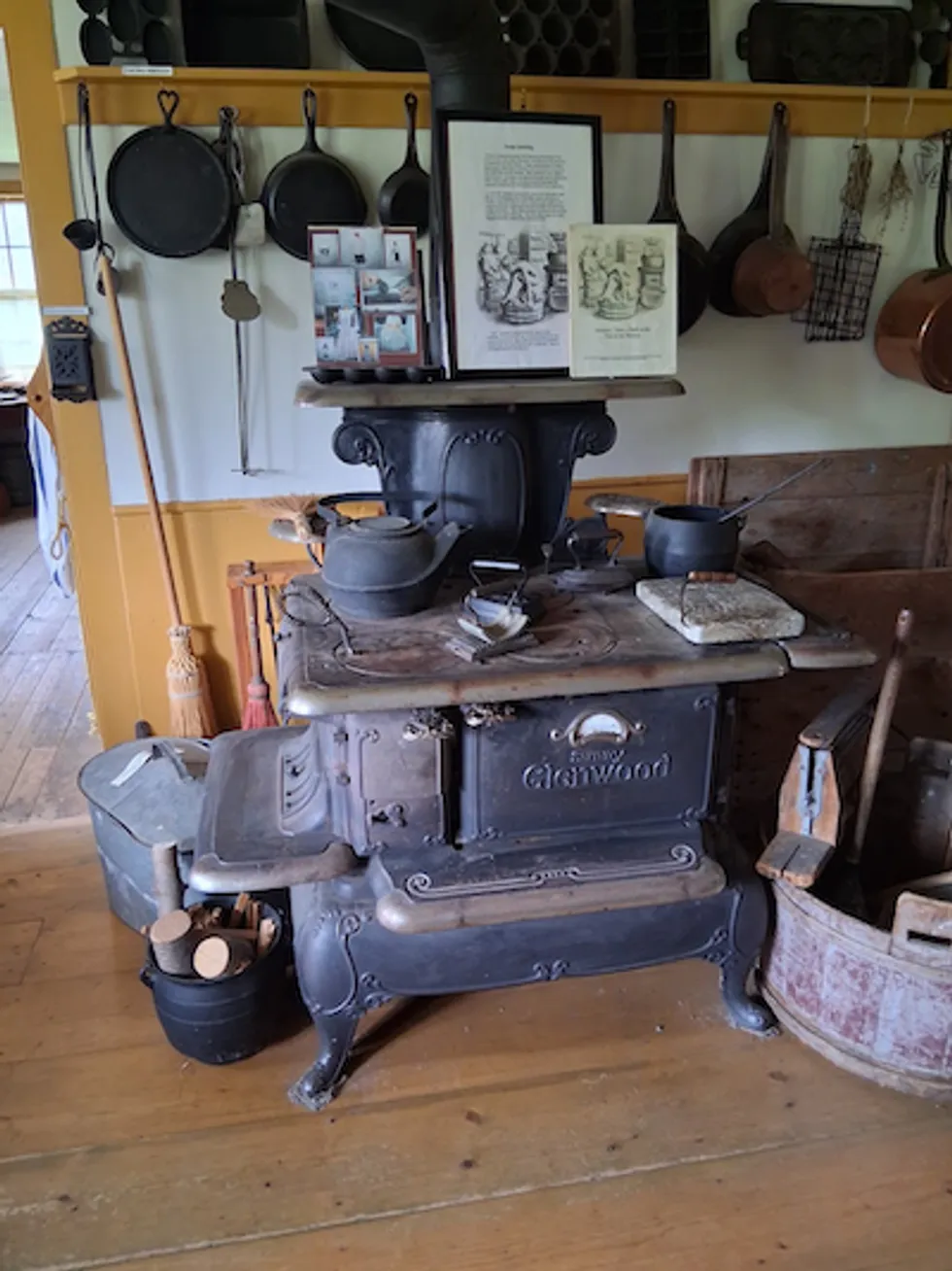
Remember how Mother made extra butter so she could sell it to a butter buyer who brought it to New York City to resell at city prices? You can stand in the kitchen at the table where she did it near the warmth of the cookstove, wooden bowl and paddle in hand.
 Josh Slocum
That basin to the right of the stove is where they took their baths. Some things are definitely better in the 21st century.
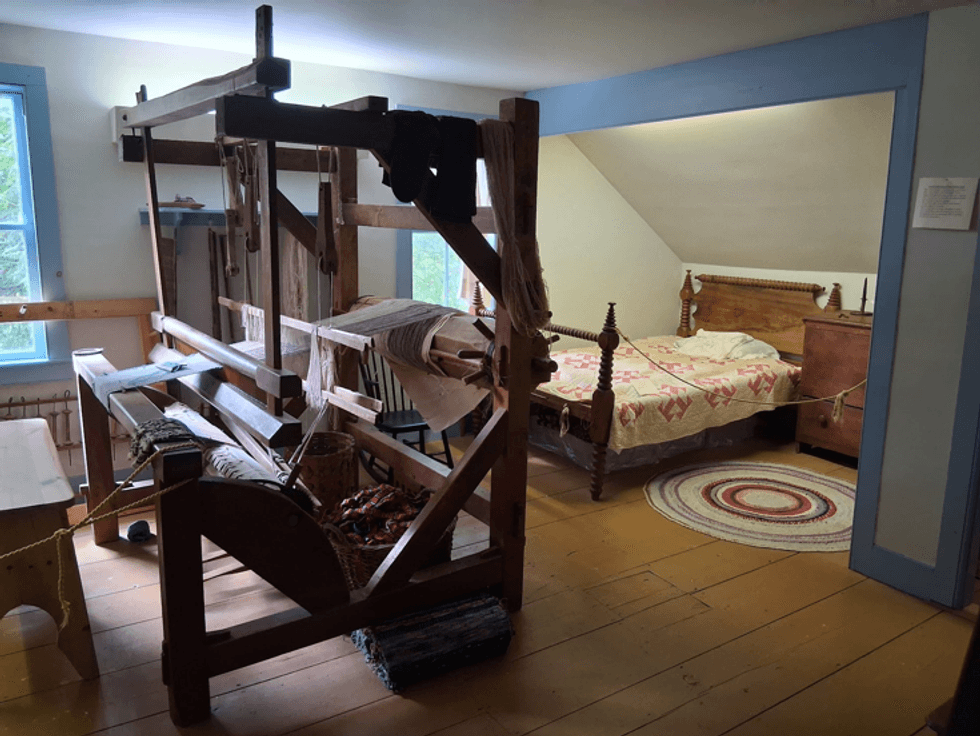
"Farmer Boy" lingers on the work Mother put into making cloth and the family clothes. Out in the barn, you’ll find Mother’s wool-working room where sheared wool was dyed and spun into yarn, thread, and cord. Upstairs you’ll see her loom (not hers, but the kind of period-accurate loom she would have used) that made the clickety-clack noise Almanzo could hear from any room in the house.
To the right of the loom, you’ll see the bed that bossy big sister Eliza Jane slept in.
 Josh Slocum
It’s always fun to compare your imagination to reality, especially for things and places that have loomed large in your mind since childhood but that you have never seen in real life. The red farmhouse is about one-third smaller than what I pictured, but that’s not to say it’s cramped. There are four bedrooms (small by modern expectations), a sitting parlor, a good-sized dining room, a kitchen with plenty of room, a mud room, a cellar, and a full walk-in pantry.
By today’s standards, it might be called a starter home. Of course, there was no such thing in a world that didn’t believe that the good life was out of reach until you could afford 3,000 square feet of McMansion.
Unlike the hardscrabble Ingallses, the Wilders were well-to-do. Father was a successful farmer who always had money in the bank. Mother’s work making the family’s clothes meant money didn’t need to be spent on “store-boughten” goods. And the butter she sold to the New York buyer fetched 50 cents a pound — almost $13 today.
RELATED: How an NYC socialite's riches preserve America's beautiful, bustling past
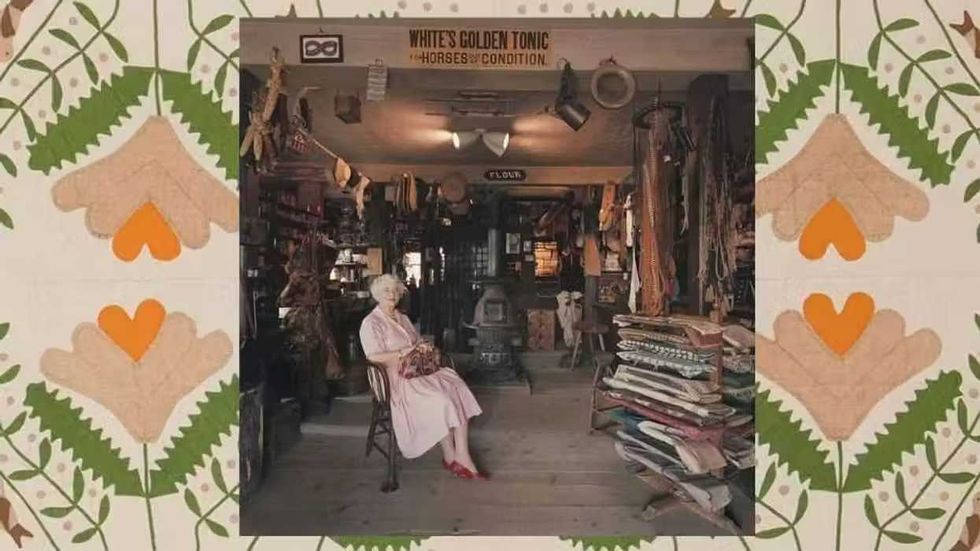 Electra Havemeyer Webb. Slim Aarons/Getty Images; Background: Unidentified maker (Ohio), “Appliqué and Pieced Four Little Birds Quilt” (detail), 1860-80. Shelburne Museum
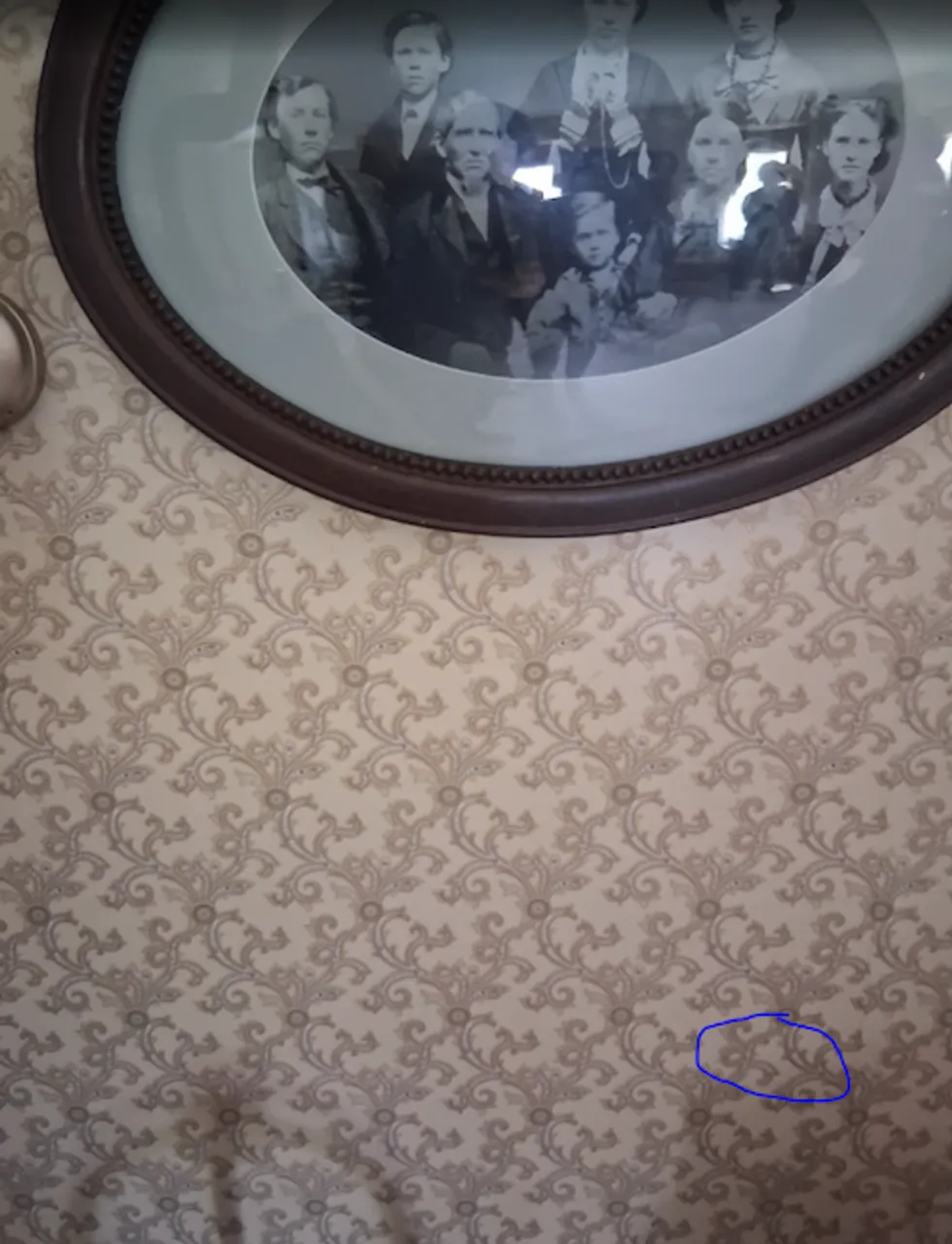
Yes, Virginia, the splotch is real. This is the part you’ve been waiting for. "Farmer Boy" readers will remember the tensest scene in the book. Mother and Father go away for a week-long trip, leaving the kids (age range 9 to 15 years old) in charge of the farm and house. Animals and gardens needed tending, but as children do, they put it all off until the day before their parents came home.
Bossy Eliza Jane set the kids to work putting the house and grounds to right, but Almanzo didn't like being told what to do. In frustration, he threw a brush full of black stove polish at Eliza Jane’s head, but it landed on the white and gold wallpaper of Mother’s fancy parlor — the room reserved for company. Just typing it out puts a knot in my stomach.
Eliza Jane came through like only a big sister can. She found the excess wallpaper stored in the attic, cut out a piece the shape of the stain, and carefully pasted it over. Mother and Father never knew.
When the volunteers restored the farmhouse years later, they found the stain and took a picture. If you visit the farm, they’ll pass it around:
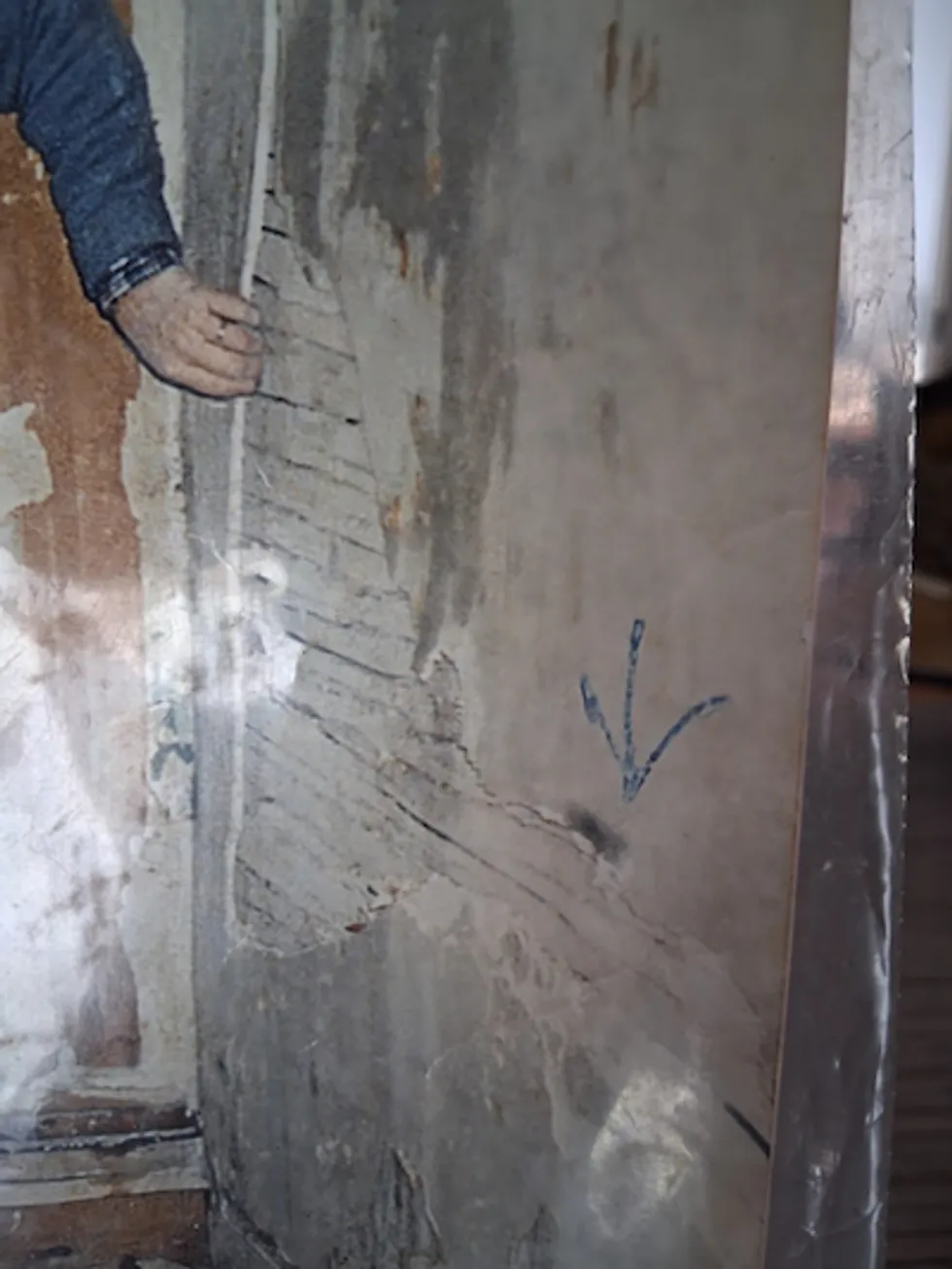 Josh Slocum
My hands were clean. It was just a light tap. Don’t tell the docents, but I touched the spot!
 Josh Slocum
If you are looking for a family trip, I can’t recommend the Wilder Farm enough. The Ingallses and the Wilders are American folk heroes for a reason. They embodied the best of what we Americans strove to be. Sadly, we are not those people any longer. We could be if we made the choice, and these 19th-century families set an example that any of us can adapt and follow.
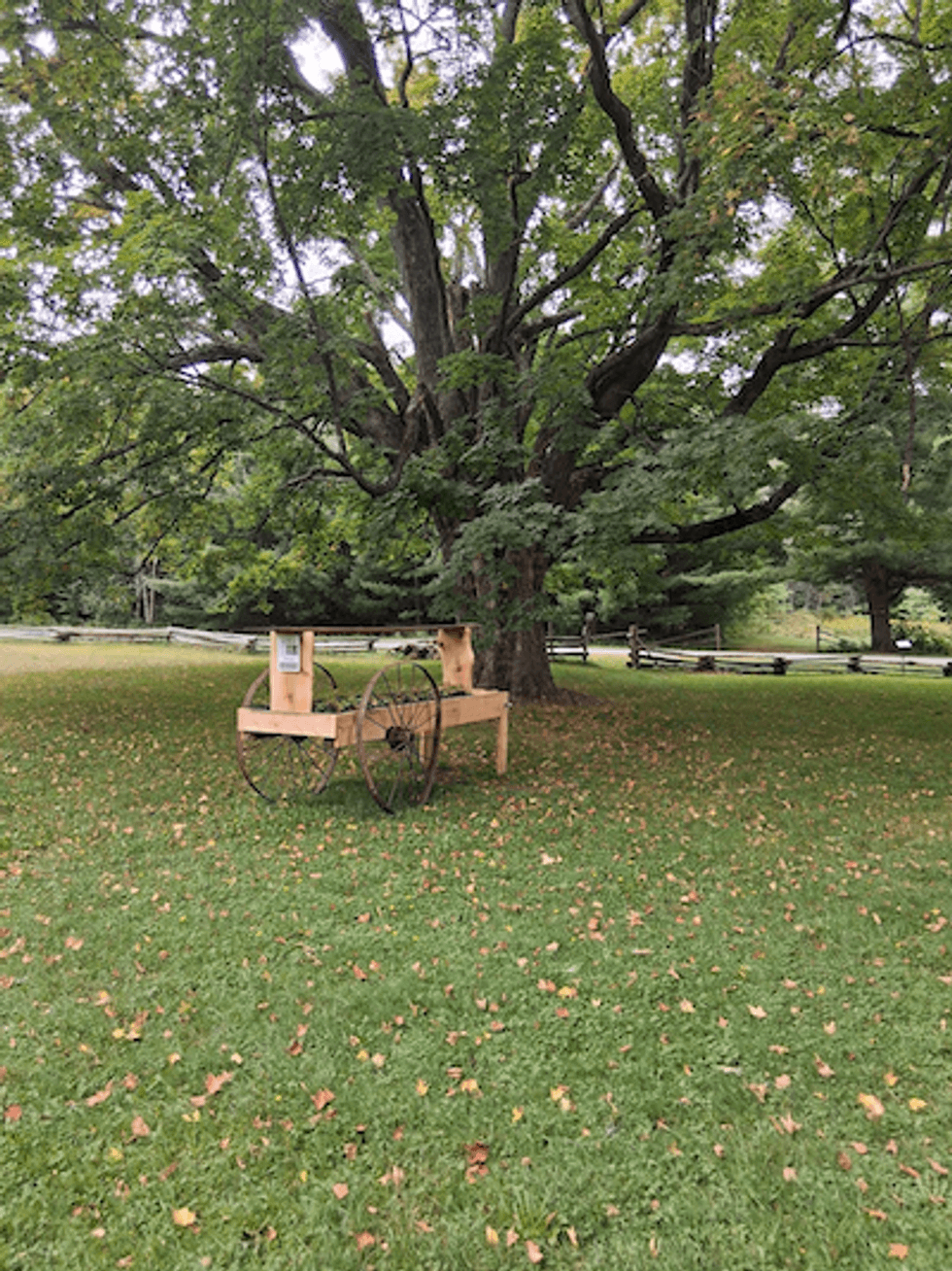
If you do go, take a moment to stop and touch the sugar maple in the side yard 20 feet from the house. It’s the same tree Almanzo sat under on summer afternoons. While you marvel at this gift from the past, imagine what that 9-year-old boy would think if he could see what it has grown to today.
 Josh Slocum
I couldn’t slip through that wrinkle in time 42 years ago, but I managed to do it this year. You can too.